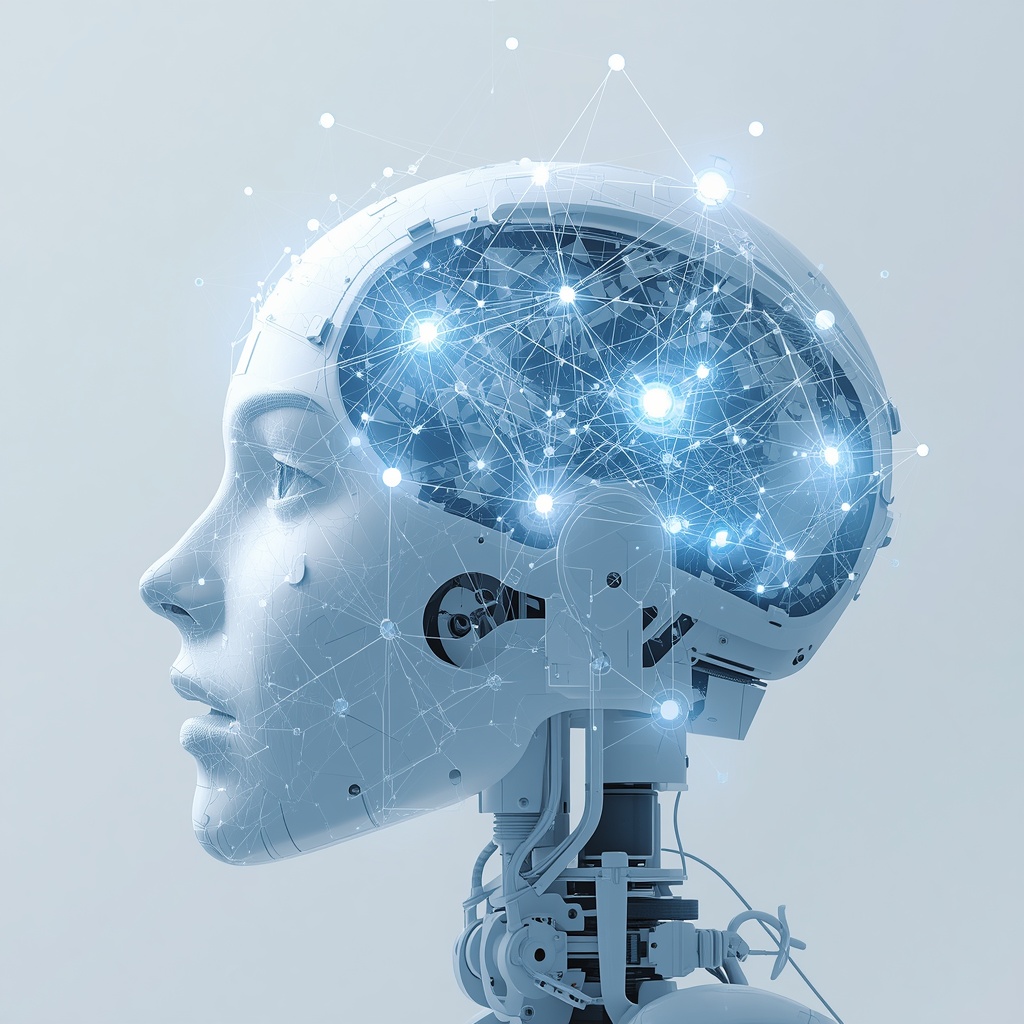
Dünya, teknolojik üstünlüğün ekonomik gücü, ulusal güvenliği ve jeopolitik etkiyi giderek daha fazla belirlediği yeni bir çağa girmiştir.
2026 yılında, uluslar arasındaki rekabet artık yalnızca askeri yetenekler veya doğal kaynaklarla tanımlanmayacak. Giderek artan bir şekilde veri kontrolü, bilgi işlem altyapısı, gelişmiş yarı iletkenler ve yapay zekâ tarafından şekillendirilecek.
Bu dönüşüm sürecinde, yapay zekâ ve sinemanın birleşmesi şaşırtıcı derecede stratejik bir sınır oluşturuyor. Film her zaman eğlenceden daha fazlası olmuştur. Kültür, etki, eğitim, kamu diplomasisi ve yumuşak güç için bir araçtır.
Küresel anlatıları şekillendirebilen uluslar, genellikle ekonominin çok ötesine uzanan avantajlar elde ederler. Yapay zekâ, filmlerin tasarlanma, üretilme, dağıtılma, yerelleştirilme ve tüketilme biçimini temelden değiştiriyor.
Üretken yapay zeka, otonom yapay zeka ajanları, dijital insanlar, sentetik medya, tahmine dayalı analiz ve sürükleyici sanal prodüksiyon, küresel görsel-işitsel ekosistemde devrim niteliğinde bir değişim yaratıyor.
Stratejik sonuçları son derece önemlidir. Yapay zekayı film yapımına başarıyla entegre eden ülkeler, kültürel etkilerini güçlendirebilir, ekonomik büyümeyi hızlandırabilir, dijital rekabet güçlerini artırabilir ve küresel erişimlerini genişletebilirler.
Değişime ayak uyduramayanlar, akıllı ekonominin en hızlı büyüyen sektörlerinden birinde geride kalma riskiyle karşı karşıya kalırlar.
Yapay zekâ ve film arasındaki ittifak bu nedenle sadece teknolojik bir ittifak değil. Jeopolitik, ekonomik ve toplumsal sonuçları olan ve önümüzdeki on yılları şekillendirecek stratejik bir zorunluluktur.
2. Yapay Zeka Çağında Filmin Stratejik Önemi
Film, insanlığın en güçlü iletişim teknolojilerinden birini temsil etmektedir.
Film, hükümetler, şirketler, eğitim kurumları ve uluslararası kuruluşlar için kamuoyu algısını şekillendirme, değerleri aktarma, davranışları etkileme ve kültürel kimliği güçlendirme yeteneğine sahip bir araç görevi görmektedir.
Tarihsel olarak, baskın film endüstrileri önemli ekonomik ve jeopolitik avantajlar yaratmıştır.
Hollywood, Amerikan yumuşak gücünün bir uzantısı haline geldi. Bollywood, Hindistan'ın kültürel erişimini güçlendirdi. Doğu Asya film endüstrileri, Güney Kore, Japonya ve Çin'in küresel etkisine önemli katkılarda bulundu.
Yapay zeka, bu etkileri eşi benzeri görülmemiş bir ölçekte artırıyor.Geleneksel film yapımı, personel, ekipman, görsel efektler, post-prodüksiyon, yerelleştirme ve dağıtım alanlarında önemli yatırımlar gerektirir.
Yapay zeka bu engellerin çoğunu önemli ölçüde azaltıyor. Üretken yapay zeka sistemleri, senaryo geliştirme, storyboard oluşturma, sahne tasarımı, karakter yaratma, görsel efekt oluşturma, ses sentezi, çeviri, dublaj ve izleyici analizi konularında yardımcı olabilir.
Daha önce haftalar veya aylar süren işler artık saatler içinde tamamlanabiliyor. Bu da verimlilik ve ölçeklenebilirlik açısından katlanarak artan bir ivme yaratıyor. Yapay zekanın entegrasyonu, tamamen yeni film yapım biçimlerini de mümkün kılıyor.
Sanal oyuncular aynı anda birden fazla dilde performans sergileyebilir. Dijital ikizler, eğitim ve kültür amaçlı olarak tarihi şahsiyetleri yeniden canlandırabilir.
Yapay zekâ destekli kurgu sistemleri, farklı izleyici kitleleri, bölgeler veya platformlar için optimize edilmiş aynı filmin birden fazla versiyonunu üretebilir. Stratejik bir bakış açısıyla, film daha geniş bir dijital altyapının parçası haline gelir.
Turizmi, uluslararası ilişkileri, eğitimi, kamu diplomasisini, savunma iletişimini ve ulusal markalaşmayı etkiliyor. Yapay zeka destekli içerik üretimi ayrıca bilgi operasyonlarını, stratejik iletişimi ve kamuoyu katılım kampanyalarını da geliştiriyor.
Bu çift kullanımlı yapı, hükümetlerin yapay zeka tarafından üretilen medyayı giderek hem ekonomik bir fırsat hem de ulusal güvenlik endişesi olarak görmesinin nedenini açıklamaktadır.
Yapay zekâ ajanlarının yükselişi bu dönüşümü daha da hızlandırıyor. Gelecekteki otonom üretim sistemleri, minimum insan müdahalesiyle senaryo yazımı, bütçeleme, oyuncu seçimi, yerelleştirme, pazarlama, dağıtım ve izleyici etkileşimini bağımsız olarak yönetebilir.
Bu nedenle film, geleneksel bir yaratıcı endüstriden stratejik bir teknoloji sektörüne dönüşüyor. Yapay zekâ destekli film prodüksiyonunda uzmanlaşabilen kuruluşlar, etki, yenilikçilik, verimlilik ve rekabet gücü açısından avantaj elde edeceklerdir.
Önümüzdeki on yılda, yapay zeka ve film, sosyal medya platformları, bulut bilişim altyapısı ve gelişmiş telekomünikasyon ağları kadar stratejik öneme sahip hale gelebilir.
3. Yapay Zeka ve Film Alanındaki Küresel Rekabet, Başlıca Oyuncular ve Riskler
Yapay zekâ ve sinemanın birleşimi, teknolojik üstünlük, kültürel etki, ekonomik değer yaratma ve dijital egemenlik için yeni bir küresel rekabeti tetikledi.
Önceki teknolojik devrimlerden farklı olarak, yapay zeka destekli film yapımı hem sert gücü hem de yumuşak gücü aynı anda etkiliyor.
Ekonomik büyümeyi, ulusal anlatıları, kamu diplomasisini, bilgi ekosistemlerini, iş gücü gelişimini ve uluslararası rekabet gücünü etkiler.
Sonuç olarak, hükümetler, teknoloji şirketleri, medya holdingleri, savunma örgütleri ve araştırma kurumları, yapay zeka tarafından üretilen görsel-işitsel içeriği giderek daha stratejik bir varlık olarak görüyor.
Küresel yarış hızlanıyor.
A. Doğu Güç Merkezleri: Çin, Doğu Asya, Avustralya ve Hindistan
Çin: Yapay Zeka Destekli Kültürel Bir Süper Güç İnşa Ediyor
Çin, yapay zekâ ve sinemanın hem ekonomik büyüme hem de jeopolitik etki için güçlü araçlar haline gelebileceğinin farkına varmıştır.
Ülkenin uzun vadeli stratejisi, devlet destekli yapay zeka geliştirme, kapsamlı dijital altyapı yatırımları ve yerel medya ekosistemlerinin genişletilmesini bir araya getiriyor.
Tencent, Alibaba, Baidu ve ByteDance gibi büyük teknoloji firmaları, üretken yapay zekâya, büyük dil modellerine, sentetik medya teknolojilerine ve akıllı içerik üretim sistemlerine yoğun yatırım yapmaya devam ediyor.
Çin'in avantajı ölçek ekonomisinde yatıyor.
Geniş nüfusu, yapay zeka sistemlerini, öneri algoritmalarını, içerik kişiselleştirme motorlarını ve izleyici analizlerini geliştirmek için kullanılabilecek muazzam miktarda veri üretmektedir.
Yapay zekâ tarafından üretilen filmler, sanal oyuncular, otomatik dublaj ve akıllı içerik dağıtım sistemleri, Çin'in daha geniş kapsamlı dijital dönüşüm stratejisi içinde giderek daha önemli hale geliyor.
Ancak, bilgi kontrolü, içerik düzenlemesi, algoritmik şeffaflık ve uluslararası güven konularında endişeler devam etmektedir.
Bu sorunlar, Çin'in yapay zeka destekli medya ürünlerini küresel olarak ihraç etme kabiliyetini etkileyebilir.
Bununla birlikte, Çin'in küresel bir yapay zeka lideri olma kararlılığı tartışılmaz bir şekilde ortadadır.
Güney Kore, Japonya, Tayvan ve Singapur
Doğu Asya, yapay zeka destekli medya teknolojileri alanında dünyanın en yenilikçi bölgelerinden birini temsil ediyor.
Güney Kore, gelişmiş yapay zeka araştırmalarını küresel ölçekte etkili eğlence sektörleriyle birleştiriyor.
Kore sinemasının, müziğinin ve dijital platformlarının uluslararası başarısı, kültürel etkinin ekonomik ve jeopolitik avantajlara nasıl dönüşebileceğini göstermektedir.
Japonya robotik, animasyon, oyun, sanal insan ve dijital hikaye anlatımı teknolojileri aracılığıyla katkıda bulunuyor.
Karakter odaklı medya alanındaki uzmanlığı, onu yapay zeka tarafından üretilen eğlence çağında özellikle iyi bir konuma getiriyor.
Tayvan'ın önemi yarı iletken üretiminden kaynaklanmaktadır.
Gelişmiş çipler olmadan, yapay zeka destekli film yapımı büyük ölçekte imkansız olurdu.
Bu nedenle Tayvan, küresel yapay zeka değer zincirinde kritik bir konumda yer almaktadır.
Singapur, yapay zeka araştırmalarına, dijital yönetişime ve gelişmiş medya teknolojilerine yaptığı yatırımlarla bölgesel bir inovasyon merkezi olarak konumlanmaya devam ediyor.
Bu ülkeler birlikte, akıllı içerik üretiminin geleceğini şekillendiren son derece etkili bir inovasyon kümesini temsil ediyor.
Avustralya ve Okyanusya
Avustralya, yapay zekayı giderek hem ekonomik bir fırsat hem de ulusal bir dayanıklılık yeteneği olarak görüyor.
Ülkenin araştırma kurumlarına, dijital altyapıya, siber güvenliğe ve uluslararası ortaklıklara yaptığı yatırımlar, yapay zeka ekosistemi içindeki artan etkisine katkıda bulunuyor.
Avustralya'nın film endüstrisi Amerika Birleşik Devletleri veya Çin'inkinden daha küçük olsa da, görsel efektler, sanal prodüksiyon ve yaratıcı teknolojiler alanlarında güçlü yeteneklere sahiptir.
Batılı teknoloji ittifaklarıyla kurduğu yakın ilişkiler, stratejik konumunu daha da güçlendirebilir.
Hindistan: Ortaya Çıkan Dengeleyici Güç
Hindistan, Batı ve Doğu teknoloji alanları arasında eşsiz bir konumda yer almaktadır.
Geniş yetenek havuzu, hızla büyüyen dijital ekonomisi ve küresel ölçekte önemli film endüstrisi, yapay zeka destekli dönüşüm için olağanüstü fırsatlar yaratıyor.
Bollywood zaten her yıl binlerce film üretiyor.
Yapay zeka, otomatik yerelleştirme, senaryo geliştirme, görsel efekt oluşturma ve çok dilli dağıtım yoluyla verimliliği önemli ölçüde artırabilir.
Hindistan'ın büyüyen yapay zeka girişim ekosistemi, hem yerel hem de uluslararası yatırımların giderek artan bir bölümünü kendine çekiyor.
Jeopolitik rekabet yoğunlaştıkça, Hindistan Amerika Birleşik Devletleri ve Çin arasında en önemli dengeleyici güçlerden biri olarak ortaya çıkabilir.
Teknolojik yenilikleri, demografik avantajları ve kültürel etkiyi birleştirme yeteneği, onu yirmi birinci yüzyılın belirleyici yapay zeka güçlerinden biri haline getirebilir.
B. Rusya: Stratejik Yapay Zeka Gelişimi ve Bilgi Etkisi
Rusya, yapay zekâya ulusal güvenlik ve stratejik özerklik perspektifinden yaklaşıyor.
Yatırımları büyük ölçüde savunma uygulamaları, siber güvenlik, otonom sistemler, bilgi operasyonları ve teknolojik öz yeterlilik alanlarına odaklanmaktadır.
Film ve medya sektöründe, yapay zeka tarafından üretilen içerik, stratejik iletişim, kültürel etki girişimleri ve bilgilendirme kampanyalarını destekleyebilir.
Ekonomik kısıtlamalar ve teknolojik sınırlamalar zorluklar yaratmaktadır.
Ancak Rusya, ulusal direnci ve jeopolitik etkiyi artıran yapay zeka yeteneklerine öncelik vermeye devam ediyor.
Gelecekteki rolü, uluslararası izolasyon baskılarına rağmen teknolojik rekabet gücünü koruyabilme yeteneğine bağlı olacaktır.
C. Avrupa ve Avrupa Birliği: Etik, Güven ve Dijital Egemenlik
Avrupa kendine özgü bir yol seçti.
Avrupa Birliği, yalnızca teknolojik üstünlüğe odaklanmak yerine, güvenilir yapay zekâya, insan merkezli inovasyona ve dijital egemenliğe önem vermektedir.
AB Yapay Zeka Yasası, inovasyonu desteklerken yapay zekayı düzenlemeye yönelik dünyanın en kapsamlı girişimlerinden birini temsil etmektedir.
Avrupa'daki bazı ülkeler yapay zeka destekli medya teknolojilerinde lider konumuna yükseliyor.
Almanya
Almanya, gelişmiş mühendislik yeteneklerini yapay zeka araştırmalarına, medya inovasyonuna ve dijital dönüşüme yapılan artan yatırımlarla birleştiriyor.
Endüstriyel altyapısı, yapay zeka destekli film yapım teknolojileri ve sürükleyici eğitim sistemleri için fırsatlar yaratıyor.
Fransa
Fransa, araştırma kurumlarına, girişimlere ve yaratıcı endüstrilere yaptığı yatırımlarla kendisini Avrupa'nın önde gelen yapay zeka güçlerinden biri olarak konumlandırıyor.
Fransız politika yapıcıları, yapay zeka tarafından üretilen içeriği giderek hem ekonomik bir fırsat hem de stratejik bir varlık olarak görüyor.
Hollanda ve İrlanda
Bu ülkeler güçlü dijital altyapıdan, uluslararası teknoloji yatırımlarından ve yenilik dostu iş ortamlarından faydalanmaktadır.
Gelişen yapay zeka ekosistemleri, üretken medya çözümleri ve akıllı içerik platformları geliştiren şirketleri cezbetmektedir.
İtalya ve İspanya
Her iki ülke de yapay zekâ destekli içerik oluşturma, yerelleştirme, koruma ve dağıtımdan önemli ölçüde fayda sağlayabilecek zengin kültürel endüstrilere sahip.
İsveç ve İskandinav Bölgesi
İskandinav ülkeleri, dünyanın en dijitalleşmiş ekonomileri arasında sürekli olarak üst sıralarda yer almaktadır.
İnovasyon, eğitim ve teknoloji benimseme alanlarındaki güçlü yönleri, onları yapay zeka destekli yaratıcı dönüşüm için avantajlı bir konuma getiriyor.
Birleşik Krallık
Brexit'in ardından Birleşik Krallık, inovasyon, araştırma mükemmelliği ve küresel rekabet gücüne odaklanan bağımsız bir yapay zeka stratejisi izlemiştir.
Londra, film yapımı, görsel efektler ve yapay zeka yatırımları için önemli bir merkez olmaya devam ediyor.
İsviçre ve Norveç
AB çerçevesinin dışında olmalarına rağmen, her iki ülke de yapay zeka araştırmalarına, dijital altyapıya ve gelişmiş inovasyon ekosistemlerine yoğun yatırım yapmaya devam ediyor.
Macaristan
Macaristan, ulusal yapay zeka stratejileri, dijital dönüşüm girişimleri ve artan teknoloji yatırımları yoluyla konumunu güçlendiriyor.
Daha büyük yapay zeka güçleriyle karşılaştırıldığında hala gelişme aşamasında olsa da, Macaristan yapay zeka eğitimini, girişimcilik ekosistemlerini ve uluslararası ortaklıkları destekleyerek bölgesel bir inovasyon merkezi olma fırsatına sahip.
Avrupa'nın önündeki en büyük zorluk, düzenlemeler ile inovasyon arasında denge kurmak olacak.
Başarı, bölgeyi sorumlu yapay zeka yönetimi konusunda küresel bir model haline getirebilir.
Başarısızlık, daha hızlı hareket eden rakiplerine kıyasla rekabet gücünü azaltabilir.
D. Afrika: Akıllı Ekonomide Ortaya Çıkan Potansiyel
Afrika, yapay zekânın benimsenmesi konusunda henüz başlangıç aşamasında bulunuyor.
Ancak uzun vadeli potansiyeli oldukça büyüktür.
Hızlı nüfus artışı, artan dijital bağlantı, genişleyen mobil altyapı ve büyüyen girişimcilik ekosistemleri, gelecekteki yapay zeka gelişimi için elverişli koşullar yaratmaktadır.
Güney Afrika, Kenya, Nijerya, Ruanda ve Mısır gibi ülkeler bölgesel inovasyon liderleri olarak öne çıkıyor.
Yapay zekâ destekli film yapımı, maliyetleri düşürme, içerik üretimini artırma, kültürel mirası koruma ve uluslararası görünürlüğü genişletme fırsatları sunmaktadır.
Karşılaşılan zorluklar arasında altyapı sınırlamaları, yatırım açıkları, beceri eksiklikleri ve gelişmiş bilgi işlem kaynaklarına erişimde eşitsizlik yer almaktadır.
Bununla birlikte, Afrika yapay zeka çağının en dinamik büyüme bölgelerinden biri haline gelebilir.
Genç nüfusu önemli bir stratejik avantaj temsil ediyor.
E. Amerika Kıtası: İnovasyon Liderliği ve Stratejik Rekabet
Amerika Birleşik Devletleri: İnovasyon Motoru
Amerika Birleşik Devletleri, yapay zeka araştırmaları, girişim sermayesi, bulut bilişim, yarı iletken tasarımı ve gelişmiş medya teknolojileri alanlarında küresel liderliğini sürdürmektedir.
OpenAI, Google, Microsoft, NVIDIA, Meta, Amazon, Adobe ve sayısız yeni girişim gibi şirketler, yapay zeka ekosisteminde inovasyonu yönlendirmeye devam ediyor.
Hollywood ek bir avantaj sağlıyor.
Teknolojik liderlik ve küresel eğlence sektöründeki hakimiyetin birleşimi, benzersiz derecede güçlü bir konum yaratıyor.
Yapay zekâ destekli film yapımı, sanal prodüksiyon, sentetik oyuncular, otomatik yerelleştirme ve akıllı içerik dağıtım sistemleri, Amerikan medya ortamının giderek daha önemli bileşenleri haline geliyor.
Dolayısıyla Amerika Birleşik Devletleri hem teknolojik üstünlükten hem de benzersiz kültürel erişimden faydalanmaktadır.
Kanada
Kanada, kurumları, yetenek geliştirme programları ve yenilik dostu politikaları sayesinde kendisini önemli bir yapay zeka araştırma merkezi olarak konumlandırmıştır.
Film ve görsel efekt sektörleri, yapay zeka destekli iş akışlarını giderek daha fazla entegre ediyor.
Meksika, Brezilya ve Latin Amerika
Latin Amerika önemli bir gelişmekte olan pazarı temsil etmektedir.
Brezilya bölgesel yapay zeka geliştirme çalışmalarına öncülük ederken, Meksika Kuzey Amerika teknoloji ekosistemleriyle güçlü ekonomik entegrasyonundan faydalanıyor.
AI-enhanced media production offers opportunities for cultural exports, education, workforce development, and economic diversification throughout the region.
F. Alliances and Technological Blocs
The future of AI and film will not be determined solely by individual countries.
Traditional security partnerships such as NATO now incorporate emerging technologies into long-term planning.
Technology-focused coalitions increasingly coordinate research, standards development, cybersecurity initiatives, semiconductor supply chains, and AI governance frameworks.
At the same time, competing technological ecosystems are emerging.
Different regions are creating distinct approaches to AI regulation, digital sovereignty, data governance, and platform control.
These divisions may reshape the global digital landscape for decades.
G. Risks: The Dark Side of AI and Film
The opportunities created by AI-powered film production are immense.
The risks are equally significant.
One major concern is the emergence of sophisticated synthetic media capable of generating highly convincing misinformation.
Deepfakes, manipulated videos, and AI-generated narratives may increasingly influence elections, public opinion, financial markets, and geopolitical conflicts.
Data concentration presents another challenge.
Organizations controlling the largest datasets and computational resources may acquire disproportionate influence over information ecosystems.
Technological asymmetry could widen global inequalities.
Countries lacking access to advanced AI infrastructure risk becoming increasingly dependent on foreign technologies.
Supply chain vulnerabilities remain critical.
The AI ecosystem depends heavily on semiconductors, cloud infrastructure, rare earth materials, and specialized hardware concentrated in a relatively small number of geographic locations.
Finally, the accelerating AI race itself creates systemic risks.
Competitive pressure may encourage rapid deployment before adequate governance, testing, and security measures are established.
In such an environment, mistakes can scale globally at unprecedented speed.
The future of AI and film will therefore depend not only on innovation but also on leadership, governance, and strategic foresight.
4. Strategic Trends – AI and Film in the Global Redistribution of Power
Artificial Intelligence is transforming film from a creative industry into a strategic technology domain.
What was once primarily a cultural sector is increasingly becoming part of a broader competition involving data, computational power, intellectual property, digital sovereignty, and geopolitical influence. Over the next decade, several strategic trends are likely to shape the global AI-film ecosystem.
One of the most significant developments is the growing divide between closed and open AI ecosystems. Closed systems are typically controlled by large technology companies or state-backed organizations. These entities maintain ownership over models, datasets, infrastructure, and distribution platforms.
The advantages are clear.Closed ecosystems often provide stronger security, greater quality control, and more predictable governance structures. However, they may also create dependency, reduce transparency, and limit innovation opportunities for smaller participants.
Open systems follow a different philosophy. Open-source AI models, collaborative research environments, and decentralized innovation ecosystems enable broader participation and faster experimentation.
For film production, this can lower entry barriers and empower independent creators, startups, educational institutions, and smaller nations.The future may not belong exclusively to either approach.
Instead, hybrid ecosystems combining openness with strategic safeguards are likely to emerge as the dominant model.
Throughout history, those who established standards often gained lasting strategic advantages. The AI era is no exception.Governments, international organizations, technology companies, and standards bodies are increasingly competing to define the rules governing artificial intelligence.
Film represents a particularly important battlefield because it combines technology, culture, communication, and economics. Questions include:
Closed vs. Open Systems: The New Technological Divide
The Global Battle for Standards and Norms
Who owns AI-generated content?
How should synthetic actors be regulated?
What disclosure requirements should apply to AI-generated films?
How can copyright frameworks remain effective in the age of generative AI?
What level of transparency should AI-generated media require?
Countries that successfully influence global standards may gain long-term advantages extending far beyond entertainment. The standards established today could shape global markets for decades.
One of the most disruptive trends involves the rise of autonomous AI agents.Current AI systems generally assist humans.
Future AI agents may increasingly operate independently.A single production ecosystem could eventually include specialized agents responsible for:
AI Agents and Autonomous Production Ecosystems
Scriptwriting
Market analysis
Audience forecasting
Casting recommendations
Budget optimization
Visual effects generation
Localization
Marketing campaigns
Distribution management
Performance analytics
Entire film production pipelines may become semi-autonomous.
This transformation could dramatically reduce production costs while increasing output quality and speed.Organizations capable of effectively orchestrating AI agent ecosystems may achieve unprecedented productivity gains.
Traditional distinctions between industries are beginning to disappear.Film, gaming, virtual reality, augmented reality, social media, and interactive experiences are converging into unified digital ecosystems.
AI accelerates this convergence.Future audiences may no longer passively watch films.Instead, they may interact with adaptive narratives generated in real time according to their preferences, behavior, language, location, and emotional state.
Movies could become living digital environments rather than fixed productions.This evolution may fundamentally redefine entertainment, education, training, and public engagement.
Governments increasingly recognize that AI-generated content affects national identity and cultural resilience.Historically, countries relied heavily on imported media products.
AI-powered content creation may enable nations to generate localized, culturally relevant content at unprecedented scale.This creates opportunities to strengthen domestic industries, preserve languages, and promote national narratives.
At the same time, it raises concerns regarding information control, algorithmic influence, and foreign technological dependence.As a result, digital sovereignty is becoming a central strategic priority.
Nations increasingly seek control over their own data, AI models, cloud infrastructure, and cultural assets.
The AI-film sector is evolving into a new layer of geopolitical competition.Countries no longer compete solely through military power, industrial output, or financial strength.
They increasingly compete through narrative influence.Artificial Intelligence amplifies the ability to create, distribute, personalize, and optimize those narratives at global scale.
This creates a powerful strategic capability. Nations that successfully combine technological innovation, cultural influence, trusted governance, and digital infrastructure may gain significant advantages in the emerging intelligent economy.
The result is a gradual redistribution of power. Influence increasingly flows toward actors capable of controlling not only physical infrastructure, but also digital ecosystems, intelligent systems, and the narratives shaping public perception.
In this environment, AI and film become far more than a technological innovation.They become instruments of strategic influence, economic competitiveness, and geopolitical positioning in the twenty-first century.
The Convergence of Film, Gaming, and Virtual Worlds
Digital Sovereignty and Cultural Resilience
A New Geopolitical Layer of Competition
5. Industrial and Workforce Impacts – AI and Film as a Production Revolution
Artificial Intelligence is reshaping nearly every stage of film production.From concept development to post-production and distribution, AI is driving one of the most significant productivity revolutions in the history of the audiovisual industry.
The implications extend well beyond entertainment. They affect labor markets, education systems, economic competitiveness, and the future structure of creative industries worldwide.
Automation and New Professional Roles Many repetitive tasks are increasingly becoming automated. AI systems can now assist with:
Script analysis
Storyboarding
Scene planning
Video editing
Visual effects generation
Voice synthesis
Translation and dubbing
Audience analytics
Processes that once required large teams can increasingly be completed by smaller groups supported by intelligent tools. However, automation does not simply eliminate jobs. It also creates entirely new professions. Emerging roles include:
AI Content Strategist
AI Film Producer
Synthetic Media Auditor
AI Ethics Specialist
Digital Human Designer
AI Agent Supervisor
Generative Media Architect
Algorithmic Storytelling Consultant
The demand for these skills is expected to grow substantially throughout the next decade.
Addressing Talent Shortages Through Strategic Education One of the greatest challenges facing governments and organizations is workforce readiness.
The pace of AI adoption is accelerating faster than traditional education systems can adapt.Universities, vocational institutions, and corporate training programs must increasingly focus on interdisciplinary competencies.
Future professionals will require knowledge spanning:
Yapay Zeka
Creative industries
Data analytics
Cybersecurity
Intellectual property
Digital governance
Human-machine collaboration
Continuous learning will become a strategic necessity rather than an optional advantage. Organizations that invest early in workforce development will gain a significant competitive edge.
The Transformation of Global Value Chains AI is also reshaping global production networks. Historically, film production often required large centralized facilities, expensive equipment, and geographically concentrated talent.
AI-powered workflows reduce these constraints. Creative teams can increasingly collaborate across borders through cloud platforms, virtual production environments, and autonomous AI systems.
Smaller organizations gain access to capabilities previously available only to major studios. This democratization may significantly increase competition within global media markets.
At the same time, it may create new dependencies on cloud providers, AI infrastructure operators, and semiconductor manufacturers.
Productivity, Efficiency, and Competitive Advantage The economic impact could be substantial. AI-powered film production enables:
Faster project completion
Lower production costs
Improved localization
Enhanced audience targeting
Better predictive analytics
Increased scalability
Organizations that successfully integrate AI into their production processes may achieve significant efficiency gains while maintaining creative quality.
The result is a production revolution comparable to earlier transformations driven by digital editing, computer-generated imagery, and internet distribution.
However, the scale of AI’s impact is likely to be far greater.Film is becoming a data-driven industry.
Those capable of combining creativity with intelligent systems will be best positioned to thrive in the increasingly competitive global digital economy.
5. Industrial and Labor Market Impacts – AI + Film as a Production Revolution
The convergence of Artificial Intelligence and Film is creating a production revolution comparable to the arrival of sound cinema, television, digital editing, and streaming platforms.
Unlike previous transitions, however, AI is transforming not only tools but also decision-making, creative workflows, and economic structures.
Many repetitive production tasks are becoming increasingly automated.
Script breakdowns, location analysis, casting recommendations, subtitle generation, dubbing, visual effects enhancement, scene rendering, audience segmentation, and content localization can now be accelerated through AI systems.
As a result, traditional operational roles may shrink. However, entirely new professions are emerging. Organizations are already seeking AI Content Strategists, Synthetic Media Directors, AI-Assisted Producers, Digital Human Designers, AI Ethics Officers, Narrative Data Analysts, and Autonomous Production Managers.
These roles combine creative expertise with technical understanding.The most valuable professionals will not be those competing against AI, but those capable of directing AI toward strategic outcomes.
A significant challenge is the growing gap between technological capabilities and workforce readiness. Film schools, universities, and executive education programs remain heavily focused on traditional production models.
Meanwhile, the industry increasingly requires expertise in generative AI, machine learning applications, virtual production systems, digital asset management, and AI governance.Governments and educational institutions must respond rapidly.
Countries capable of creating AI-native creative talent pipelines will gain substantial advantages in cultural influence, export potential, and innovation capacity.
The competition for highly skilled AI-creative professionals is likely to become as intense as the competition for semiconductor engineers and cybersecurity specialists.
AI is also restructuring the global film value chain.
Historically, production was concentrated in a limited number of entertainment hubs such as Los Angeles, London, Mumbai, Seoul, and Beijing. AI-driven workflows are decentralizing production capabilities.
A small studio with advanced AI tools can now perform tasks that previously required hundreds of specialists and multimillion-dollar budgets.This shift creates unprecedented opportunities for emerging markets and smaller nations.
Countries that invest strategically in AI-enabled creative ecosystems may become significant exporters of digital content without possessing traditional Hollywood-scale infrastructure.
The result is a more distributed, competitive, and dynamic global entertainment economy. Film is no longer merely a cultural product.In the AI era, it becomes a strategic production system capable of generating economic value, soft power, technological leadership, and geopolitical influence simultaneously.
6. Ethical, Legal, and Social Dimensions – Governing AI and Film
As AI becomes deeply integrated into film production and distribution, ethical and regulatory challenges are becoming impossible to ignore. The same technologies capable of creating extraordinary innovation can also generate significant societal risks.
The central challenge for policymakers is ensuring that innovation remains aligned with trust, accountability, and democratic values. Film technologies increasingly possess dual-use characteristics.
Synthetic media systems developed for entertainment can also be employed in information operations, political influence campaigns, psychological warfare, and strategic communications.
Deepfake technologies illustrate this challenge clearly.A system capable of generating a realistic digital actor can also create highly convincing misinformation.
This creates a critical governance dilemma. Regulators must encourage innovation while simultaneously preventing malicious applications that threaten social stability and national security. Different regions are approaching AI governance in fundamentally different ways.
The European approach emphasizes transparency, accountability, privacy, human oversight, and risk management.The United States generally prioritizes innovation, competitiveness, and private-sector leadership.
China focuses on strategic control, social stability, and national development objectives.These differing philosophies are creating a fragmented global regulatory environment.
Film companies operating internationally will increasingly need to navigate multiple AI governance frameworks simultaneously.Compliance may become a strategic capability rather than merely a legal requirement.
Perhaps the most important challenge concerns trust.For over a century, visual media has shaped public perception of reality.
AI-generated film content introduces unprecedented uncertainty regarding authenticity. Citizens may increasingly struggle to distinguish between documented events and synthetic creations.
This phenomenon threatens not only entertainment ecosystems but also democratic processes, journalism, public discourse, and social cohesion. Trust itself may become a strategic asset.
Organizations capable of demonstrating authenticity, transparency, and responsible AI deployment will enjoy significant competitive advantages.
Questions surrounding ownership represent another major challenge.Who owns an AI-generated screenplay?
Who receives royalties when a digital actor is created using historical performances?How should creative contributions from AI systems be valued?
Legal frameworks worldwide are struggling to answer these questions.The decisions made during the next decade will shape the future economics of the global creative sector.
The future of AI and film will not be determined solely by technological capability.It will also depend on governance quality.
The nations and organizations that successfully balance innovation, ethics, security, and public trust will define the standards that shape the next generation of global media ecosystems.
7. Business Value and Return on Investment – AI + Film as a Strategic Investment Asset
Artificial Intelligence is rapidly transforming film from a traditionally high-risk creative industry into a data-driven strategic investment environment. Organizations capable of integrating AI across the content lifecycle can achieve measurable improvements in efficiency, scalability, audience engagement, and profitability.
The result is not incremental optimization. It is a fundamental redefinition of how value is created.Film production has historically suffered from uncertainty.
Studios often invested millions into projects with limited ability to predict commercial performance. AI significantly changes this equation.Predictive analytics can evaluate audience preferences, consumption patterns, market trends, regional interests, and historical performance data before production begins.
This enables decision-makers to allocate capital more intelligently.AI-driven pre-production planning can reduce development costs, shorten production timelines, and improve resource utilization.
Even modest efficiency gains can generate substantial financial returns when applied across large content portfolios.The greatest value may not come from cost reduction alone.
It comes from accelerated innovation.
AI allows studios and media companies to test concepts, generate visual prototypes, simulate audience reactions, and optimize distribution strategies at unprecedented speed.
Organizations capable of producing and validating creative ideas faster than competitors gain a decisive strategic advantage.The future winners of the entertainment economy may be those who can combine human creativity with machine-assisted scalability.
This creates a powerful innovation engine that continuously generates new products, experiences, and revenue streams.AI is also transforming audience engagement.
Traditional film distribution relied on mass-market strategies.AI enables personalized content experiences.
Future entertainment platforms may dynamically adapt narratives, visual styles, language options, and interactive elements according to individual audience preferences.
Such personalization increases viewer retention, subscription value, advertising effectiveness, and customer lifetime value.
The economic implications are enormous.
Organizations that proactively adopt responsible AI governance frameworks can also gain competitive advantages.Regulatory compliance is increasingly becoming a market differentiator.
Investors, governments, partners, and consumers are placing greater emphasis on transparency, accountability, and ethical AI deployment.
Companies that establish trusted governance systems early may enjoy privileged access to markets, partnerships, and institutional support. Every technological transformation introduces risks.
Intellectual property disputes, cybersecurity threats, deepfake misuse, reputational challenges, and regulatory uncertainty all represent significant concerns.However, organizations that develop comprehensive AI governance strategies can transform these risks into competitive strengths. Risk management is no longer a defensive function.
It is becoming a strategic capability that directly contributes to long-term enterprise value. In the emerging AI-driven film economy, successful organizations will not simply create content. They will create adaptive, scalable, and resilient ecosystems capable of generating sustainable value across decades.
8. Future Scenarios and Forecasts: 2050 and 2100
The intersection of Artificial Intelligence and Film may ultimately become one of the most transformative forces in human cultural history.
By 2050 and beyond, entertainment may evolve into an entirely new category of human experience. The implications extend far beyond cinema. They affect identity, governance, economics, education, diplomacy, and civilization itself.
In the most optimistic scenario, AI becomes a powerful partner to human creativity.Filmmakers gain access to unprecedented creative tools. Production costs fall dramatically.
Independent creators compete effectively with major studios.New storytelling formats emerge. Personalized narratives, immersive virtual environments, and interactive cinematic experiences become mainstream.
Human creativity expands rather than contracts. Cultural diversity flourishes because barriers to entry collapse.This scenario produces a highly dynamic and innovative global creative economy.
A second scenario is less optimistic.
A small number of technology platforms dominate AI infrastructure, content generation systems, audience analytics, and distribution channels.Creative industries become increasingly dependent on a limited group of global actors.
Algorithmic recommendations shape cultural consumption on an unprecedented scale.Economic efficiency increases, but creative diversity may decline.
Cultural influence becomes concentrated among organizations possessing the largest computational resources and data ecosystems.
In this world, digital sovereignty becomes a critical strategic objective.By 2050, synthetic media may become nearly indistinguishable from reality.
Entire films could be generated in real time. Digital actors may possess independent AI personalities.
Virtual influencers could attract larger audiences than human celebrities.Governments, corporations, and media organizations may compete to shape public narratives through increasingly sophisticated synthetic content ecosystems.
The strategic importance of trust verification systems could become comparable to today’s cybersecurity infrastructure.One of the most significant developments may involve AI agents.
Future AI agents will likely perform functions currently handled by large teams.An autonomous production agent could analyze market demand, commission scripts, manage budgets, coordinate digital assets, negotiate licensing agreements, launch marketing campaigns, and optimize distribution strategies.
Rather than assisting organizations, AI agents may become organizational components themselves. This transformation could fundamentally alter how creative enterprises operate.
Looking toward 2100, more radical possibilities emerge.
Human and artificial intelligence may collaborate seamlessly within integrated creative ecosystems. Personalized films could be generated instantly for individual viewers.
Virtual worlds may become persistent cultural environments where storytelling never truly ends. The distinction between audience, creator, and participant could disappear entirely.At the extreme end of this trajectory, AI may become an influential participant in strategic decision-making regarding cultural development, information flows, and societal coordination.
Such a future raises profound ethical questions.
Who controls these systems?
Who defines cultural norms?
Who governs synthetic realities?
While precise outcomes remain uncertain, one trend appears undeniable.The convergence of AI and film is not a temporary technological phenomenon.
It is a structural transformation that will influence global power, economic competitiveness, cultural influence, and human identity throughout the twenty-first century.
The organizations preparing today will be significantly better positioned to shape tomorrow’s realities rather than merely react to them.
9. Executive Guide – A 5-Step Strategic Action Plan for AI + Film
The convergence of Artificial Intelligence and Film is no longer a future possibility.It is an active transformation already reshaping media, communication, influence, and economic competitiveness.
For governments, corporations, investors, and strategic institutions, the question is no longer whether to engage with AI-driven film ecosystems. The question is how quickly they can build the capabilities required to compete.
Every successful transformation begins with a realistic evaluation of current capabilities.Organizations should perform an immediate audit of their technological infrastructure, data assets, creative workflows, AI readiness, talent availability, and governance maturity.
The objective is to identify capability gaps before competitors do.Leaders must understand not only where they are today but also where they need to be within the next five years.
Without this visibility, strategic planning becomes speculation rather than execution.No organization can master every aspect of AI and film independently.
The pace of innovation is simply too fast.
Successful institutions should establish partnerships with AI developers, universities, research institutes, creative agencies, production companies, cloud providers, and specialized technology firms.
The future belongs to networks rather than silos. AI without governance creates long-term vulnerability.Organizations must develop clear policies regarding data ownership, intellectual property, synthetic media usage, algorithmic transparency, privacy protection, cybersecurity, and ethical oversight.
Governance should not be treated as a compliance burden.
It should be viewed as a strategic asset.Trusted organizations gain access to partnerships, markets, talent, and investment opportunities that less mature competitors struggle to secure.
Large-scale transformation should begin with targeted experimentation.Pilot projects provide measurable insights while minimizing risk.
Organizations can explore AI-assisted content generation, automated localization, predictive audience analytics, synthetic media production, virtual actors, or AI-enhanced marketing campaigns.
The goal is not perfection.The goal is learning.
Small successes generate organizational confidence and provide evidence for larger strategic investments.
The AI landscape evolves continuously.
Strategies designed today may require adjustment within months.
Organizations should establish permanent monitoring systems that track technological developments, regulatory changes, competitive activity, and emerging opportunities.Continuous adaptation becomes a core leadership function.
Future success will depend less on creating a perfect plan and more on maintaining the ability to evolve faster than competitors.The organizations that dominate the next generation of media and influence will not necessarily possess the largest budgets.
They will possess the greatest adaptability. AI and Film represent more than a technological opportunity.Together they form a strategic platform capable of generating innovation, economic value, cultural influence, and geopolitical relevance.
Leaders who act decisively today can secure advantages that may remain difficult to replicate for decades.
10. Conclusion – A Strategic Warning and Partnership Opportunity
Artificial Intelligence and Film are rapidly becoming one of the defining strategic alliances of the twenty-first century.What began as a collection of creative tools is evolving into a global ecosystem that influences economics, diplomacy, culture, education, security, and information power.
This transformation is not limited to Hollywood or the entertainment industry.It affects governments seeking digital sovereignty, corporations pursuing competitive advantage, investors identifying emerging opportunities, and societies navigating the challenges of technological disruption.
The organizations that successfully integrate AI into their creative and communication strategies will gain access to unprecedented capabilities. They will produce content faster, understand audiences more deeply, scale globally more efficiently, and influence public perception more effectively.
Those who delay risk falling behind in a rapidly accelerating environment where technological advantage compounds over time.The strategic implications are profound.
AI-driven film ecosystems may become as important to future influence as energy infrastructure, telecommunications networks, or advanced manufacturing capabilities are today.
For decision-makers, the imperative is clear.
Develop capabilities.
Build partnerships.
Establish governance.
Experiment aggressively.
Adapt continuously.
The next era of media, influence, and digital power is already being built.
The question is not whether it will arrive.
The question is whether your organization will help shape it.
At AronAzarAr.com, our mission is to help leaders, institutions, and organizations navigate these transformations through strategic analysis, AI-focused consulting, digital innovation frameworks, and future-oriented decision support.
The future will belong to those who understand that AI is not merely a technology.
It is an amplifier of power, creativity, and strategic influence.
And in the age of AI and Film, that influence may become one of the most valuable assets any organization can possess.