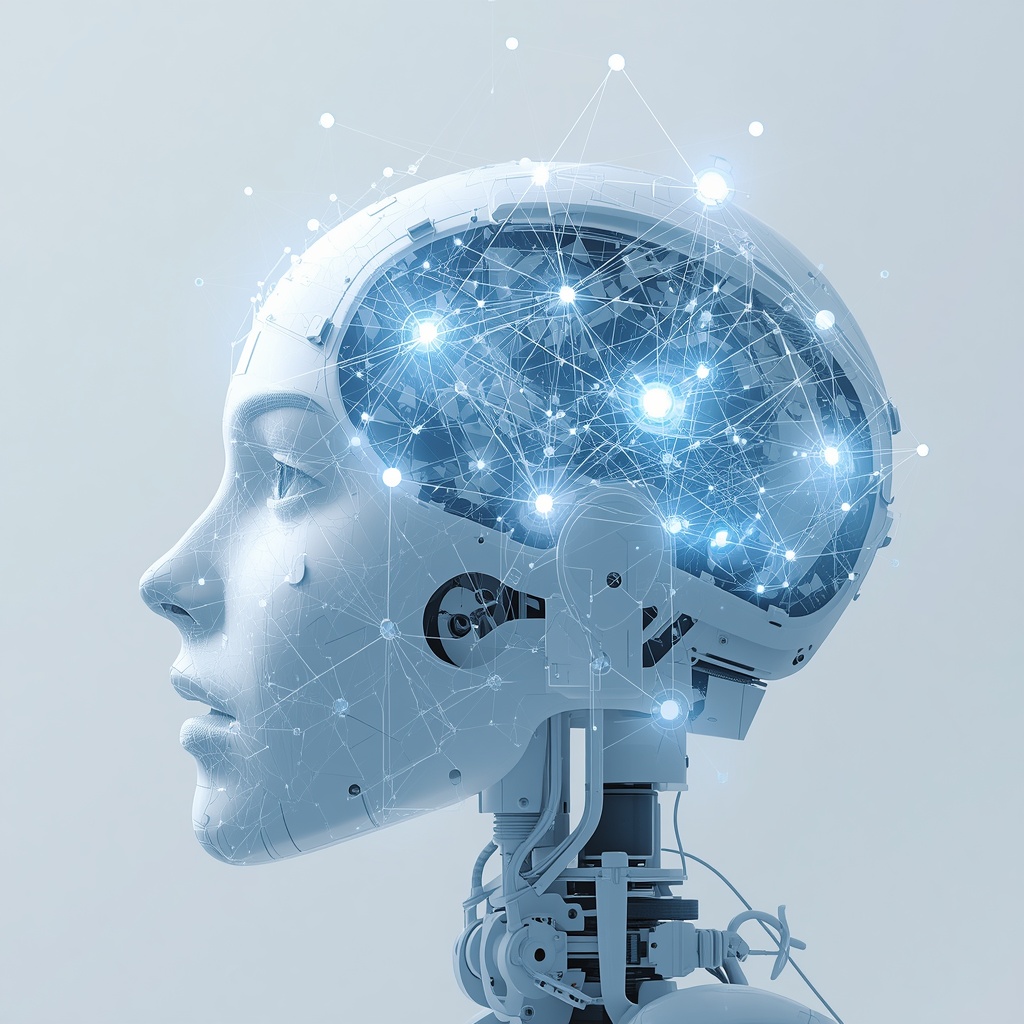
Artificial Intelligence and Sexual Life
With the help of AI 1. Introduction – On the Threshold of Competition Between Societies We have entered a new era. Technological superiority now directly determines the long-term success of societies, their demographic stability, mental health outcomes, and overall quality of life. This shift marks a profound transformation in how nations and communities compete. In 2025-2026, global challenges are intensifying this competition. According to the latest UN World Population Prospects 2024 Revision, the global fertility rate stands at approximately 2.2 births per woman, continuing a steep decline from higher levels in previous decades. Record-low birth rates, widespread loneliness epidemics, labor shortages, and rapid cultural shifts define the current landscape. These pressures manifest most acutely in the domains of sexual life and reproduction. The fusion of artificial intelligence (AI) and sexual life has emerged as one of the most critical arenas in the competition between societies. Dating apps powered by sophisticated matching algorithms, AI chatbots offering emotional companionship, advanced sex robots, deepfake technologies, intelligent agents, and virtual avatars are radically transforming intimate relationships, reproduction patterns, and social cohesion worldwide. This phenomenon extends far beyond mere consumer trends or entertainment. It constitutes a strategic imperative for any society aiming to address population decline, the substantial well-being costs associated with loneliness, and the urgent challenge of sustaining human capital for future economic growth. In the European Union, recent AI Act implementations highlight how regulation intersects with these personal domains, while in Hungary, national AI strategies increasingly link technology to family policy goals. The stakes involved are truly monumental. Societies that successfully dominate this alliance stand to gain exponential advantages in demographic stability, improved population-level mental health, and enhanced economic productivity. Conversely, those that lag behind risk relentless decline, facing accelerated aging populations and diminished innovation capacity. Recent reports from the World Bank and UN underscore how Asia and Europe are particularly vulnerable to these demographic shifts. This revolutionary convergence represents a critical strategic alliance. It fundamentally reshapes the nature of competition between societies throughout the 21st century. Successful societies do not merely adopt new technologies in isolation. Instead, they strategically leverage AI-enhanced solutions to sustain and actively elevate the foundational elements of human well-being, turning potential vulnerabilities into sources of resilience and competitive strength. In daily AI news across the EU and Hungary, discussions increasingly focus on ethical integration of such technologies into social policies. 2. The Significance of Sexual Life and Its Operation with Artificial Intelligence Sexual life remains a fundamental human need. It profoundly influences reproduction rates, individual mental health, the quality of partnerships, and broader social stability across communities. The integration of artificial intelligence exponentially enhances its efficiency, level of personalization, and overall accessibility. This technological fusion effectively addresses acute societal problems, including widespread loneliness, ongoing fertility crises, and difficulties in maintaining intimacy in long-distance or modern lifestyles. Comprehensive Overview of Free and Paid Technologies: Dating apps and AI agents now employ highly advanced algorithms. These systems optimize matching processes by analyzing biometric data, behavioral patterns, personality traits, and user preferences in real time. They go further by predicting long-term compatibility, thereby increasing the probability of stable relationships and higher birth rates in participating populations. Chatbots and AI avatars operate as sophisticated Replika-like emotional and sexual companions. They continuously learn and evolve based on user interactions over time. Free versions deliver essential basic support for those experiencing isolation, while paid premium models provide advanced emotional intelligence, deeply personalized narratives, and seamless real-time adaptation to user needs. Sex robots represent AI-integrated humanoid technologies. They incorporate haptic feedback systems, voice recognition capabilities, facial expression analysis, and highly adaptive behavioral responses. The global sextech market, which includes these innovations, reached around USD 37-50 billion in 2025 and is projected to expand significantly to USD 180-250 billion by 2035, with CAGRs between 17-19% according to recent market analyses. Deepfakes combined with VR/AR environments and teledildonics create fully personalized virtual experiences. When synchronized with physical devices, they substantially reduce relational frustration and associated mental health strains in an increasingly digital world. Reproductive AI tools deliver high-accuracy ovulation prediction, embryo selection capabilities in IVF procedures, and sophisticated genetic risk optimization. These advancements prove vital for tackling the global fertility crisis, where many developed nations report rates well below the 2.1 replacement level, as highlighted in 2025 UN data. The core power of AI in this domain lies in its abilities for realistic simulation, precise optimization, predictive analytics, and ongoing machine learning. At the societal level, it builds essential infrastructure for maintaining and growing human capital reserves. Improved algorithmic matching directly contributes to elevated birth rates in targeted demographics. Meanwhile, virtual and AI-supported solutions effectively mitigate widespread loneliness and the downstream health costs it generates, including rising cases of depression and anxiety disorders. With AI integration, sexual life transforms into an exponentially more effective and socially inclusive experience. It unlocks breakthrough opportunities for enhancing overall social well-being, building demographic resilience against aging trends, and raising quality of life metrics across populations. Importantly, these technologies do not seek to replace authentic human intimacy. Rather, they complement and strengthen it by removing barriers and providing supportive frameworks, particularly in aging societies like those in the EU and East Asia. Daily AI developments reported in Hungary and the broader EU often emphasize balancing innovation with human-centric design in these sensitive areas. 3. Global Competition and Key Players in AI + Sexual Life – From East Asia Westward The alliance between AI and sexual life has ignited relentless competition among societies globally. Here, technological dominance translates directly into advantages in population dynamics, measurable improvements in quality of life, and strengthened social cohesion. Japan stands as a global leader in robotics and AI applications. Development of sex robots and virtual companions plays a key role in countering severe population decline and rapid aging. Its fertility rate hovers around 1.2 in recent 2025 estimates, with median age nearing 50 years. The government actively integrates AI into reproductive technologies and social support systems to preserve long-term societal stability. South Korea maintains an innovation
Artificial Intelligence and Sexual Life Read More »